Have you ever received a text that simply said “idgaf” and paused for a second, wondering whether the sender was joking, angry, dismissive, or just being casual?
This is one of those internet slang terms that can completely change meaning based on context.
A friend might text it after a stressful day. Someone on social media might use it to show confidence. In another case, it can come across as rude or cold.
That confusion is exactly why many people search for the real idgaf meaning in text.
Online slang evolves fast. What starts as a niche abbreviation often becomes part of everyday texting, memes, TikTok captions, and even spoken conversation.
But understanding what it truly means—and when to use it—is important if you want to avoid awkward misunderstandings.
This guide breaks down everything clearly. You’ll learn the exact meaning of IDGAF, how people use it in different situations, what emotional tone it carries, real conversation examples, and when you should avoid using it.
By the end, you’ll know exactly what it means and how to interpret it confidently.
Quick Definition of “idgaf”
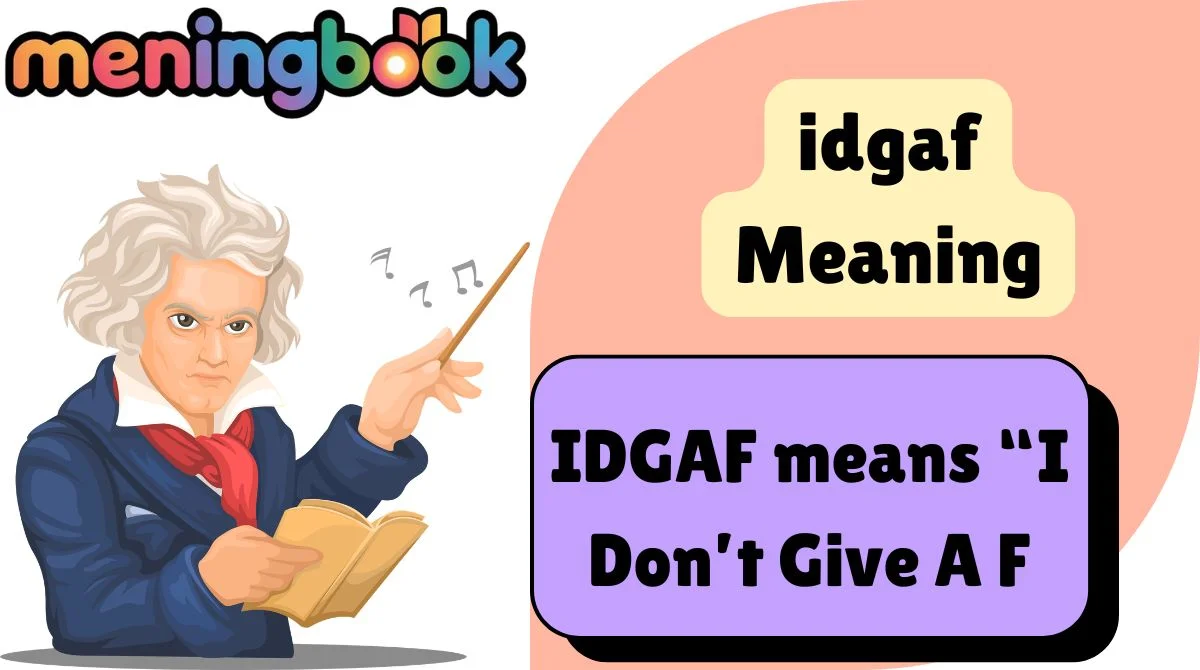
IDGAF means “I Don’t Give A F*.”** It is a slang abbreviation used in text messages, social media, and online conversations to show strong indifference, emotional detachment, confidence, frustration, or dismissal.
Depending on context, it can also mean:
- Not caring about someone’s opinion
- Showing emotional toughness
- Expressing rebellion
- Signaling anger or exhaustion
- Acting unbothered
The tone can range from playful and confident to rude and aggressive.
Detailed Meaning Breakdown
Understanding idgaf meaning in text requires looking beyond the literal words.
Primary Meaning
At its core, IDGAF means:
“I do not care.”
But it is stronger than simply saying “I don’t care.”
It adds emotional force. The phrase often suggests the speaker is making a deliberate statement of indifference.
Example:
“I failed that test. IDGAF.”
This usually means:
- The person may actually care but is pretending not to
- They feel frustrated
- They are trying to appear emotionally detached
Secondary Meanings
Depending on context, IDGAF can express different ideas.
Confidence
Some people use it to show self-assurance.
Example:
“People can judge all they want. IDGAF.”
Meaning:
They feel confident enough to ignore criticism.
Frustration
It can show emotional burnout.
Example:
“Honestly, IDGAF anymore.”
Meaning:
The person may feel tired, overwhelmed, or defeated.
Rebellion
Sometimes it signals resistance against social expectations.
Example:
“Dress how you want. IDGAF what others think.”
Meaning:
Ignore social pressure.
Rare Meanings
Rarely, people use IDGAF humorously or sarcastically.
Example:
“Oh no, my phone battery is at 90%. IDGAF.”
This mocks fake concern.
What “idgaf” Means in Different Situations
Context changes everything.
Everyday Texting
In regular texting, IDGAF usually shows casual indifference.
Example:
Friend: “They were talking about you.”
Reply: “IDGAF.”
Meaning:
The person is saying they are not bothered.
Sometimes this is genuine. Other times it hides hurt feelings.
Social Media Platforms
On platforms like TikTok, Instagram, and X, IDGAF often represents confidence.
Examples:
- “Living my life. IDGAF.”
- “Post what you want. IDGAF.”
Here it often means:
- Independence
- Boldness
- Not seeking approval
It is often part of “main character energy” content.
Dating & Relationships
This is where meaning gets more emotional.
If someone texts:
“IDGAF anymore.”
It could mean:
- They are emotionally shutting down
- They feel hurt
- They are ending emotional investment
If someone says:
“IDGAF what people think about us.”
That usually signals commitment and confidence.
Tone matters greatly here.
Professional Communication
In work or academic settings, IDGAF is usually inappropriate.
Example:
Manager: “Can you revise this report?”
Reply: “IDGAF.”
This would appear disrespectful and unprofessional.
Even jokingly, it can damage credibility.
Cultural or Regional Differences
English-speaking internet culture generally understands IDGAF the same way.
However, reactions vary by age and culture.
Younger users often see it as casual slang.
Older audiences may view it as rude or aggressive because of the implied profanity.
In more formal cultures, it can seem highly disrespectful.
Psychological & Tone Analysis
Why do people use IDGAF?
The answer often reveals emotional layers.
To Protect Vulnerability
People sometimes use it to hide emotional pain.
Example:
“Yeah, they ignored me. IDGAF.”
Reality:
They may care deeply.
The phrase acts as emotional armor.
To Signal Confidence
It can project strength.
When people want to show they are unaffected by criticism, they use IDGAF.
This builds a public image of independence.
To Express Emotional Exhaustion
After repeated stress, people may use it to show burnout.
Example:
“I’ve tried everything. IDGAF now.”
This often signals frustration, not true indifference.
To Establish Social Status
Online, appearing “unbothered” often carries social value.
Using IDGAF can signal:
- Emotional control
- Independence
- Resistance to judgment
It can be performative.
15 Real Conversation Examples (Explained)
1. “People are gossiping about you.”
“IDGAF.”
Meaning: Dismissal of criticism.
2. “Why didn’t you reply?”
“IDGAF about that chat.”
Meaning: Intentional disengagement.
3. “Your post got hate comments.”
“IDGAF.”
Meaning: Public confidence.
4. “He unfollowed you.”
“IDGAF anymore.”
Meaning: Likely emotional hurt.
5. “Everyone hated the movie.”
“IDGAF, I liked it.”
Meaning: Independent opinion.
6. “That’s against the trend.”
“IDGAF.”
Meaning: Rebellion.
7. “People are judging your outfit.”
“IDGAF what they think.”
Meaning: Self-confidence.
8. “You missed the event.”
“IDGAF honestly.”
Meaning: Lack of interest.
9. “The teacher was upset.”
“IDGAF.”
Meaning: Disrespect or frustration.
10. “She blocked you.”
“IDGAF lol.”
Meaning: Often masking disappointment.
11. “They criticized your work.”
**“IDGAF, I did my best.”
Meaning: Emotional defense.
12. “Why are you so calm?”
**“Because IDGAF.”
Meaning: Deliberate detachment.
13. “That rumor is spreading.”
**“IDGAF.”
Meaning: Refusal to engage.
14. “You should care more.”
**“Nah, IDGAF.”
Meaning: Resistance.
15. “Everyone expects you there.”
**“IDGAF.”
Meaning: Defiance.
When “idgaf” Can Be Misunderstood
This phrase often creates confusion.
Context Confusion
Without tone or facial expression, readers guess meaning.
“IDGAF.”
Could mean:
- Confident
- Angry
- Hurt
- Sarcastic
Generational Gap
Younger users often read it casually.
Older users may see it as offensive.
This difference can cause misunderstandings.
Platform Differences
On TikTok:
Often playful or empowering
In direct messages:
Can feel personal or harsh
On workplace chat apps:
Usually inappropriate
Similar Words, Symbols, or Abbreviations
Here are related terms often used alongside IDGAF.
IDC
I Don’t Care
Milder than IDGAF.
NVM
Never Mind
Dismissive but softer.
YOLO
You Only Live Once
Suggests carefree action.
FOMO
Fear Of Missing Out
Opposite emotional energy.
BRB
Be Right Back
Neutral internet shorthand.
DGAF
Don’t Give A F***
Shorter version of IDGAF.
Whatever
Casual dismissal.
Unbothered
Shows calm indifference.
Describes bold emotional detachment.
Meh
Signals mild disinterest.
When Not to Use “idgaf”
Knowing when not to use it is just as important.
Professional Risks
Avoid it in:
- Work emails
- School assignments
- Client messages
- Job interviews
It appears immature and disrespectful.
Cultural Risks
Some cultures value indirect communication.
IDGAF may sound overly aggressive.
Relationship Risks
Using it during emotional conversations can seem cold.
Example:
Partner: “I’m upset.”
Reply: “IDGAF.”
This can seriously damage trust.
Tone Risks
Even jokingly, text lacks vocal cues.
Someone may misunderstand your intention.
Expert Tips for Using “idgaf” Correctly
Know Your Audience
Use it only with people familiar with casual internet slang.
Match the Situation
It works best in relaxed conversations.
Avoid serious discussions.
Consider Tone
Ask yourself:
Will this sound confident or rude?
Use Alternatives When Needed
Instead of IDGAF, consider:
- “Not worried about it”
- “It doesn’t bother me”
- “I’m okay with that”
These sound more respectful.
Avoid Overuse
Repeated use can make you seem defensive.
Watch Emotional Context
If someone is upset, avoid dismissive slang.
Understand Hidden Emotion
If someone texts “IDGAF,” they may actually care.
Look deeper.
Use Humor Carefully
Sarcasm can be missed in text.
Add emojis if needed.
Example:
“IDGAF 😂”
This softens tone.
Frequently Asked Questions
What does idgaf mean in text from a girl?
It usually means strong indifference, frustration, or emotional detachment. Context determines whether it is playful, defensive, or serious.
Is idgaf rude?
It can be.
Because it contains implied profanity, many people view it as harsh or disrespectful.
What does idgaf mean on Snapchat?
It generally means the same as in texting: not caring or acting unbothered.
Often used casually.
Is idgaf negative?
Not always.
It can express confidence and independence.
It becomes negative when used dismissively.
What is the difference between IDC and IDGAF?
IDC means mild indifference.
IDGAF is stronger and more emotionally charged.
Can I use idgaf professionally?
No.
It is inappropriate for professional settings.
Why do people say idgaf when they actually care?
It often acts as emotional self-protection.
People use it to hide vulnerability.
Is idgaf popular in 2026?
Yes.
It remains widely used in texting, memes, and social media culture.
Final Summary
Understanding idgaf meaning in text is about more than decoding an abbreviation.
It means:
“I Don’t Give A F*”**
But its real message depends on context.
It can show:
- Confidence
- Frustration
- Rebellion
- Emotional defense
- Detachment
The key is reading tone, situation, and relationship context.
Used correctly, it can express bold confidence.
Used poorly, it can sound rude, cold, or immature.
Smart communicators know when to use internet slang and when to choose clearer words.
If you see IDGAF in a text, pause and consider the context before reacting.
That small step helps avoid misunderstanding and improves digital communication.

I am Noah Peterson, an educational content writer passionate about simplifying complex topics into clear and practical learning