You’re texting someone, and they reply with “miss u bby.” You pause. Is it affectionate? Casual? Too personal? Many people see “bby” in messages but aren’t fully sure what it means or how serious it is.
That confusion can lead to awkward replies—or worse, misunderstandings.
Short text slang evolves fast, and “bby” is one of those terms that looks simple but carries different meanings depending on context, tone, and relationship.
It can signal affection, playfulness, or even sarcasm. Without understanding the nuance, you might misread the intent completely.
This guide breaks everything down clearly. You’ll learn what “bby” really means, how it’s used across platforms, what tone it conveys, and when to use—or avoid—it.
By the end, you’ll understand exactly how to read and use “bby” with confidence in modern communication.
Quick Definition of “bby”
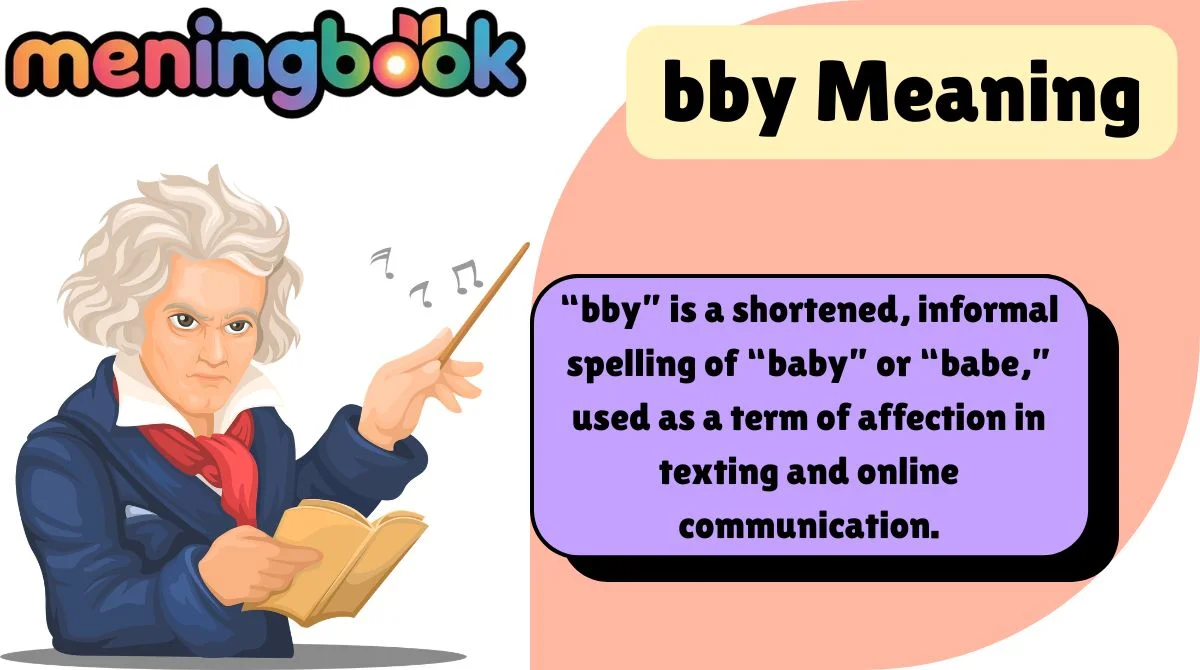
“bby” is a shortened, informal spelling of “baby” or “babe,” used as a term of affection in texting and online communication.
It can also carry playful, sarcastic, or friendly tones depending on context, especially among friends or on social media.
Detailed Meaning Breakdown
Primary Meaning
The main meaning of “bby” is simple: it’s a casual, affectionate nickname. It replaces “baby” or “babe” to make texting faster and more informal. People often use it with someone they like, care about, or feel close to.
Example:
- “Goodnight bby” = a soft, affectionate message.
It signals warmth but in a relaxed, modern way.
Secondary Meanings
“bby” doesn’t always mean romantic affection. It can also be:
- Friendly affection: Used between close friends jokingly or warmly
- Playful tone: Light teasing or joking exaggeration
- Flirty shorthand: Less serious than “baby,” more casual
Example:
- “Relax bby, it’s not that deep” → playful tone, not romantic
Rare Meanings
In some contexts, “bby” can:
- Be used sarcastically to mock someone acting dramatic
- Appear in memes as exaggerated affection
Example:
- “Oh nooo bby what happened 😭” → sarcastic or humorous
What “bby” Means in Different Situations
Everyday Texting
In daily texting, “bby” is usually affectionate and casual. It’s often used:
- Between partners
- Between close friends
- In relaxed conversations
Tone depends heavily on relationship.
Example:
- “Eat something bby” → caring and gentle
Social Media Platforms
On platforms like Instagram, TikTok, or Twitter, “bby” is more expressive and less personal.
It’s often used:
- In captions
- In comments
- As part of internet slang culture
Example:
- “You look amazing bby 😍” → supportive and hype-driven
Dating & Relationships
In romantic settings, “bby” is:
- Flirty but not too serious
- Less intense than “baby”
- Often used early in relationships or casually
Example:
- “Miss you bby” → emotional but light
It can signal interest without deep commitment.
Professional Communication
In professional contexts, “bby” is inappropriate.
Using it at work can:
- Appear unprofessional
- Be misunderstood as overly familiar
- Create discomfort
Example:
- “Thanks bby” to a colleague → not recommended
Cultural or Regional Differences
“bby” is widely understood in global internet culture, but:
- Younger users use it more
- Some regions may see it as overly casual
- Tone perception can vary
In more formal cultures, it may seem too informal or even disrespectful.
Psychological & Tone Analysis
Why People Use It
People choose “bby” because it is:
- Faster to type
- Less serious than full words
- Trendy and modern
It feels relaxed and emotionally light.
What It Signals Socially
Using “bby” can signal:
- Closeness
- Comfort
- Informality
- Digital fluency
It shows you’re familiar with texting culture.
Emotional Layer Behind It
“bby” often carries soft emotional undertones:
- Warmth
- Care
- Playfulness
But tone can shift based on punctuation and context:
- “ok bby.” → could feel cold
- “ok bby 😊” → feels warm
15 Real Conversation Examples (Explained)
- “Good morning bby ☀️”
→ affectionate and caring start to the day - “Miss you bby”
→ emotional but casual expression of longing - “Chill bby, it’s fine”
→ calming, slightly playful tone - “You did great bby!”
→ supportive and encouraging - “Come here bby 😏”
→ flirty and suggestive - “Stop it bby 😂”
→ playful teasing - “Thanks bby ❤️”
→ warm appreciation - “Ok bby.”
→ could feel distant or passive depending on tone - “You’re so dramatic bby”
→ joking or sarcastic - “Sleep well bby”
→ caring and gentle - “Don’t worry bby, I got you”
→ protective and reassuring - “Hey bby, what are you doing?”
→ friendly or flirty opener - “Noooo bby 😭”
→ exaggerated emotional reaction - “Listen bby…”
→ can sound serious or slightly controlling depending on tone - “Bye bby 💕”
→ soft and affectionate goodbye
When “bby” Can Be Misunderstood
Context Confusion
Without tone indicators, “bby” can feel:
- Too intimate
- Too casual
- Misplaced
Example:
- A new acquaintance using “bby” might seem overly familiar
Generational Gap
Older users may:
- Not understand it
- Interpret it as childish or unprofessional
Younger users see it as normal.
Platform Differences
Meaning shifts across platforms:
- Text messages → more personal
- Social media → more casual and broad
Same word, different impact.
Similar Words, Symbols, or Abbreviations
- babe – classic affectionate nickname
- baby – more direct and emotional
- bae – slang for romantic partner
- bb – even shorter version of “baby”
- luv – casual spelling of “love”
- hun – friendly or affectionate term
- boo – romantic nickname
- cutie – playful compliment
- sweetie – warm and caring tone
- xoxo – hugs and kisses
Each varies in tone, intensity, and context.
When Not to Use “bby”
Professional Risks
Avoid using “bby” in:
- Work emails
- Formal messages
- Client communication
It reduces credibility.
Cultural Risks
In some cultures, it may:
- Seem disrespectful
- Feel too intimate
Always consider the audience.
Tone Risks
Using “bby” incorrectly can:
- Sound sarcastic
- Feel forced
- Create awkwardness
Example:
- Using it too early in a conversation can feel uncomfortable
Expert Tips for Using “bby” Correctly
- Match the relationship level
Use it only with people you’re comfortable with - Read the tone first
If the conversation is serious, avoid it - Use emojis for clarity
They help express intention - Avoid overuse
Repeating it too much can feel unnatural - Don’t use in formal settings
Keep it casual only - Pay attention to response style
If they don’t use it, mirror their tone - Use it naturally
Forced slang feels awkward - Consider timing
Early use in relationships can feel too forward
Frequently Asked Questions
What does “bby” mean in texting?
“bby” means “baby” or “babe” and is used as a casual, affectionate nickname in text conversations.
Is “bby” romantic or friendly?
It can be both. The meaning depends on context, tone, and relationship between the people.
Is “bby” the same as “bae”?
Not exactly. “bby” is more casual and flexible, while “bae” usually refers to a romantic partner.
Can I use “bby” with friends?
Yes, many people use it jokingly or affectionately with close friends.
Is “bby” appropriate at work?
No, it is too informal and can be seen as unprofessional.
Does “bby” always mean love?
No, it can also be playful, sarcastic, or simply friendly.
Why do people spell it “bby” instead of “baby”?
It saves time and fits modern texting style.
Can “bby” be offensive?
It can feel uncomfortable if used with someone you’re not close to or in the wrong context.
Final Summary
“bby” is a small word with a wide range of meanings. At its core, it’s a casual, affectionate shorthand for “baby” or “babe.”
But its real meaning depends on tone, context, and relationship.
Used correctly, it can add warmth, playfulness, and personality to your messages.
Used incorrectly, it can feel awkward, overly familiar, or even unprofessional.
The key is simple: match the tone of the conversation, understand your audience, and use it naturally. When in doubt, keep it neutral.
Mastering small details like this helps you communicate more clearly—and connect better in today’s fast-moving digital world.

I am Noah Peterson, an educational content writer passionate about simplifying complex topics into clear and practical learning