You’re scrolling through a chat, and someone replies with “lul.” No emoji. No explanation.
Just three letters. You pause for a second—did they laugh? Are they being sarcastic? Or did you miss something?
This confusion is common. Internet slang evolves fast, and terms like “lul” don’t always carry obvious meanings.
Unlike standard words, these short expressions depend heavily on tone, context, and platform culture. That’s why one small term can feel unclear, even if you’ve seen it many times.
This guide breaks everything down in a simple, clear way.
You’ll learn exactly what “lul” means, how people use it in real conversations, and when you should—or shouldn’t—use it.
By the end, you won’t have to guess its meaning again. You’ll understand it with confidence and use it naturally in the right situations.
Quick Definition of “lul”
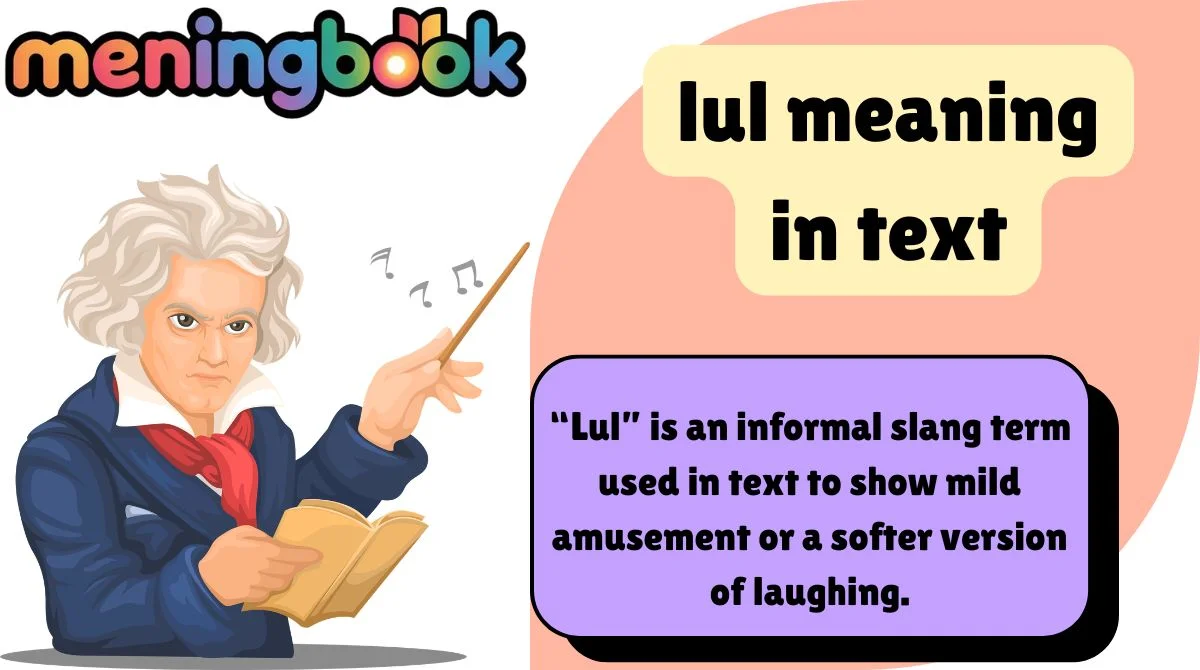
“Lul” is an informal slang term used in text to show mild amusement or a softer version of laughing. It is often seen as a toned-down or slightly ironic version of “lol” (laugh out loud).
It can also suggest sarcasm, indifference, or a low-energy reaction depending on context.
Detailed Meaning Breakdown
Primary Meaning
The main meaning of “lul” is simple: it signals a light laugh. Not a big, loud laugh—just a small reaction. Think of it as a quiet chuckle rather than bursting into laughter.
For example:
- “That joke was weird… lul”
Here, the person is amused, but not strongly.
Secondary Meanings
Over time, “lul” has taken on extra layers:
- Sarcasm: It can hint that something isn’t actually funny.
- Awkward reaction: Used when someone doesn’t know how to respond.
- Dismissive tone: Shows low interest or effort in reacting.
Example:
- “You really thought that would work? lul”
This feels more sarcastic than amused.
Rare Meanings
In some cases, “lul” can reflect:
- Passive agreement without real engagement
- A filler response when someone wants to keep a conversation going
These uses depend heavily on tone and relationship between speakers.
What “lul” Means in Different Situations
Everyday Texting
In casual chats, “lul” often replaces “lol” when the reaction is weaker.
- “That meme was kinda funny, lul”
It shows mild humor, not excitement.
Social Media Platforms
On platforms like Twitter, Reddit, or Discord, “lul” can carry a more ironic tone.
- Used to react to something absurd
- Often signals “this is funny, but also strange”
It can also be part of internet culture where subtle humor is valued.
Dating & Relationships
Here, tone matters a lot.
- A playful “lul” can keep things light
- But too many “lul” replies can seem uninterested
Example:
- “You forgot again? lul”
This might feel teasing—or slightly annoyed.
Professional Communication
“Lul” is generally not appropriate in professional settings.
- It may appear careless or unprofessional
- It can confuse readers who are not familiar with slang
Avoid using it in emails, reports, or formal chats.
Cultural or Regional Differences
In global communication:
- Some users may not understand “lul” at all
- Others may interpret it differently (more sarcastic or dismissive)
This makes context even more important when chatting across cultures.
Psychological & Tone Analysis
Why People Use It
People use “lul” because it feels lighter than “lol.” It requires less emotional energy and fits casual conversation styles.
It also helps avoid overreaction. Not everything deserves a big laugh.
What It Signals Socially
“Lul” often signals:
- Relaxed communication
- Internet-savvy behavior
- Subtle humor understanding
It can also show emotional distance.
Emotional Layer Behind It
Depending on context, “lul” can express:
- Mild amusement
- Social politeness (acknowledging humor)
- Passive sarcasm
- Slight awkwardness
This makes it a flexible but sometimes unclear expression.
15 Real Conversation Examples (Explained)
- “That was unexpected lul”
→ Mild surprise with light humor. - “You still play that game? lul”
→ Slight teasing tone. - “I tried… lul”
→ Self-aware humor after failure. - “Sure, that makes sense lul”
→ Likely sarcasm. - “Nice move lul”
→ Could be genuine or ironic depending on tone. - “He said what?? lul”
→ Amused disbelief. - “I forgot again lul”
→ Casual acknowledgment of mistake. - “That’s your plan? lul”
→ Doubt or sarcasm. - “Well… lul”
→ Awkward or unsure response. - “It worked somehow lul”
→ Surprise mixed with humor. - “Good luck with that lul”
→ Slightly dismissive. - “That’s funny lul”
→ Soft acknowledgment, not strong laughter. - “You serious? lul”
→ Questioning with humor. - “Oops lul”
→ Casual mistake reaction. - “Alright lul”
→ Neutral or low-energy agreement.
When “lul” Can Be Misunderstood
Context Confusion
Without tone of voice, “lul” can be unclear.
- Is it funny?
- Is it sarcastic?
- Is it dismissive?
Readers must guess based on context.
Generational Gap
Older users may:
- Not recognize the term
- Misinterpret it as a typo
Younger users are more likely to understand it instantly.
Platform Differences
- On gaming platforms: more common and accepted
- On LinkedIn or email: inappropriate or confusing
Meaning shifts depending on where it’s used.
Similar Words, Symbols, or Abbreviations
- LOL – Laugh out loud, stronger reaction
- LMAO – Very strong laughter
- ROFL – Rolling on the floor laughing
- Haha – Natural laugh, varies in intensity
- Hehe – Playful or shy laugh
- XD – Visual laughing face
- LMK – Let me know (not laughter, but common slang)
- BRB – Be right back
- SMH – Shaking my head (disapproval)
- IKR – I know, right?
“Lul” stands out because it is softer and often more ironic.
When Not to Use “lul”
Professional Risks
Avoid in:
- Work emails
- Client messages
- Formal presentations
It can reduce credibility.
Cultural Risks
If you’re unsure whether the other person understands it, skip it.
Misunderstanding can lead to awkward communication.
Tone Risks
Do not use “lul” when:
- Someone is sharing serious news
- The topic is sensitive
- You need to show empathy
It may seem dismissive or rude.
Expert Tips for Using “lul” Correctly
- Use it only in casual conversations
- Match the tone of the other person
- Avoid overusing it—it loses impact
- Pair it with clear context if needed
- Don’t use it in serious discussions
- Be aware of sarcasm—it may not translate well
- Use alternatives like “haha” if clarity matters
- Read the conversation flow before adding it
Frequently Asked Questions
What does “lul” mean in texting?
It means a mild or soft laugh, often weaker than “lol,” and sometimes slightly sarcastic.
Is “lul” the same as “lol”?
No. “Lul” is usually less intense and can carry a more ironic tone.
Is “lul” rude?
Not usually, but it can feel dismissive depending on context.
Why do people say “lul” instead of “lol”?
To express a more subtle or low-energy reaction.
Can “lul” be sarcastic?
Yes, it is often used to show light sarcasm or disbelief.
Is “lul” still popular in 2026?
Yes, especially in gaming, online forums, and casual chats.
Can I use “lul” in professional emails?
No, it is not appropriate for formal communication.
What’s the safest alternative to “lul”?
“haha” or “lol” are clearer and more widely understood.
Final Summary
“Lul” is a small word with flexible meaning. At its core, it signals a soft laugh—but context shapes everything.
It can be friendly, sarcastic, awkward, or even dismissive depending on how and where it’s used.
The key to using it well is awareness. Think about your audience, the tone of the conversation, and the message you want to send.
If there’s any chance of confusion, choose a clearer expression.
Used correctly, “lul” adds a natural, modern touch to casual communication. Used carelessly, it can create misunderstanding.
Keep it simple. Match the mood. And when in doubt, clarity always wins.

I am Noah Peterson, an educational content writer passionate about simplifying complex topics into clear and practical learning