You’re texting someone, and they reply with “frfr.” No punctuation. No explanation.
Just two short letters repeated. You pause for a second—are they being serious, joking, or just agreeing? This kind of confusion is common in modern texting, where short slang terms carry big meaning.
“frfr” is one of those expressions that seems simple but actually depends heavily on tone, context, and relationship.
It can signal honesty, emphasis, agreement, or even sarcasm—depending on how it’s used.
In this guide, you’ll get a complete breakdown of what “frfr” means, how people use it in different situations, and how to respond correctly.
By the end, you’ll not only understand it—you’ll know exactly when and how to use it with confidence.
Quick Definition of “frfr”
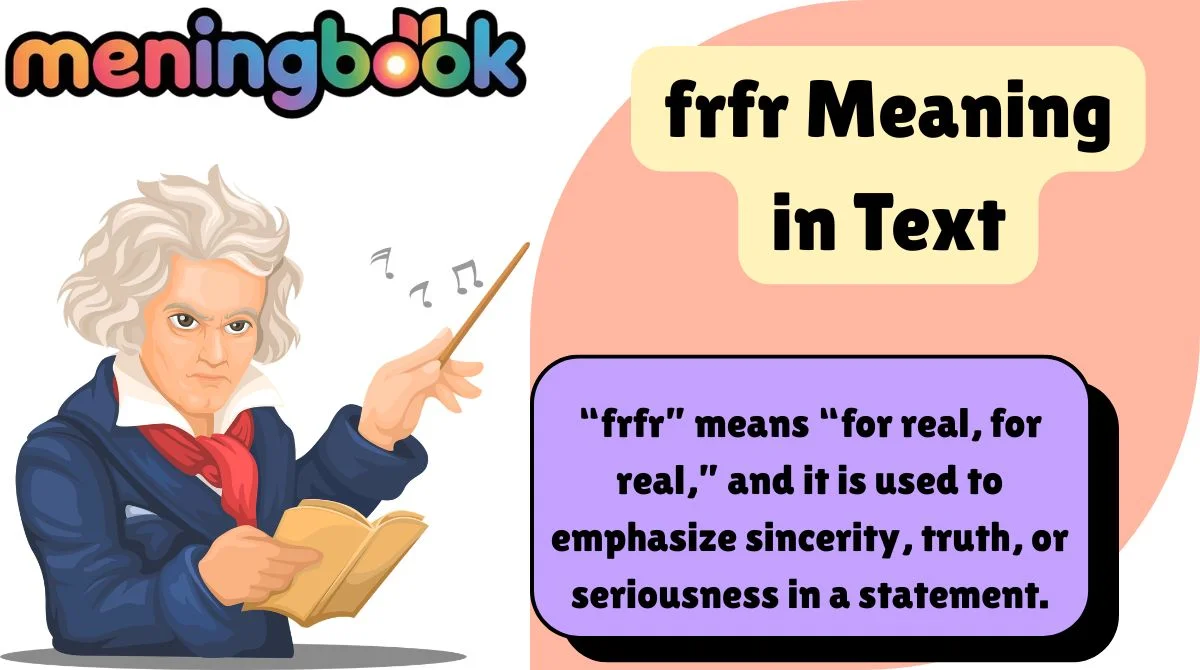
“frfr” means “for real, for real,” and it is used to emphasize sincerity, truth, or seriousness in a statement.
It can also signal strong agreement, reassurance, or authenticity. In some cases, it may carry a sarcastic tone depending on context.
Detailed Meaning Breakdown
Primary Meaning
At its core, “frfr” is a double emphasis of the phrase “for real.” Repeating it adds intensity. It tells the other person:
- “I’m serious.”
- “I’m not joking.”
- “This is genuinely true.”
Instead of saying “I mean it,” people use “frfr” as a quick and casual shortcut.
Secondary Meanings
Depending on the situation, “frfr” can also mean:
- Strong agreement: “I completely agree with you.”
- Validation: “That’s actually true.”
- Reassurance: “I’m being honest with you.”
Rare Meanings
In some cases, especially in playful conversations, “frfr” can be:
- Sarcastic: Used to mock or exaggerate seriousness
- Dismissive: Used quickly without much thought
These meanings depend heavily on tone and relationship.
What “frfr” Means in Different Situations
Everyday Texting
In casual texting, “frfr” is used to confirm honesty or agreement.
Example:
“I didn’t like that movie frfr.”
This means the person genuinely didn’t enjoy it.
Social Media Platforms
On platforms like TikTok, Instagram, or X (Twitter), “frfr” is often used to:
- Agree with a post
- Emphasize a relatable statement
- Show authenticity
Example:
“This is the best song this year frfr.”
Dating & Relationships
In conversations between partners or potential partners, “frfr” can carry emotional weight.
Example:
“I like you frfr.”
This signals genuine feelings—not casual interest.
It can also be used for reassurance:
“I’m not talking to anyone else frfr.”
Professional Communication
“frfr” is rarely appropriate in professional settings. If used, it may come off as:
- Too casual
- Unprofessional
- Immature
Example (not recommended):
“I completed the report frfr.”
Cultural or Regional Differences
“frfr” originated from internet and urban slang and is widely used globally among younger audiences. However:
- Younger users understand it instantly
- Older audiences may find it confusing
- In formal cultures, it may feel out of place
Psychological & Tone Analysis
Why People Use It
People use “frfr” because it:
- Saves time
- Adds emotional emphasis
- Feels natural in fast conversations
- Builds connection through shared slang
What It Signals Socially
Using “frfr” can signal:
- Authenticity
- Informality
- Belonging to digital culture
- Emotional honesty
Emotional Layer Behind It
The phrase adds emotional weight. It can show:
- Seriousness (“I mean this”)
- Excitement (“This is really good”)
- Vulnerability (“I actually feel this way”)
The repetition (“for real, for real”) makes it feel stronger than just “fr.”
15 Real Conversation Examples (Explained)
- “That test was hard frfr.”
→ Emphasizing genuine difficulty. - “You should watch this show frfr.”
→ Strong recommendation. - “I’m tired frfr.”
→ Not exaggerating—actually exhausted. - “He’s a good person frfr.”
→ Genuine character endorsement. - “I didn’t mean that frfr.”
→ Trying to clarify sincerity. - “This food is amazing frfr.”
→ Strong positive reaction. - “You’re funny frfr.”
→ Genuine compliment. - “I need a break frfr.”
→ Emotional or mental exhaustion. - “She’s different frfr.”
→ Highlighting uniqueness. - “That scared me frfr.”
→ Real fear, not joking. - “I’m done with that frfr.”
→ Final decision, serious tone. - “You’re right frfr.”
→ Full agreement. - “I miss you frfr.”
→ Emotional honesty. - “He lied frfr.”
→ Confirming truth, not speculation.
When “frfr” Can Be Misunderstood
Context Confusion
Without tone or voice, “frfr” can be unclear. It may seem:
- Serious
- Sarcastic
- Passive
Example:
“Nice job frfr.”
Could be genuine or sarcastic.
Generational Gap
- Younger users: understand instantly
- Older users: may not recognize it
This can lead to confusion or misinterpretation.
Platform Differences
- TikTok: expressive, emotional
- Instagram: casual agreement
- Messaging apps: conversational tone
Same word, slightly different feel.
Similar Words, Symbols, or Abbreviations
- fr – For real
- ong – On God (serious truth)
- no cap – No lie, being honest
- deadass – Completely serious
- tbh – To be honest
- istg – I swear to God
- real talk – Honest conversation
- facts – Agreement with truth
- legit – Genuine or real
- 100 – Completely true or accurate
Each carries a similar idea but with slightly different tone or intensity.
When Not to Use “frfr”
Professional Risks
Avoid using it in:
- Emails
- Job applications
- Business messages
It may reduce credibility.
Cultural Risks
In formal or traditional settings, slang like “frfr” may seem:
- Disrespectful
- Too casual
- Out of place
Tone Risks
Using it in serious conversations can:
- Seem dismissive
- Undermine emotional depth
Example:
“I understand your loss frfr.”
This can feel inappropriate.
Expert Tips for Using “frfr” Correctly
- Use it in casual conversations only
- Match the tone of the other person
- Avoid overusing it—it loses impact
- Don’t use it in serious or sensitive topics
- Combine it with clear sentences for better meaning
- Be aware of sarcasm risk
- Use it when emphasizing honesty
- Keep your audience in mind
Frequently Asked Questions
What does frfr mean in texting?
It means “for real, for real,” used to emphasize sincerity or truth in a message.
Is frfr the same as fr?
No. “frfr” is stronger and adds extra emphasis compared to “fr.”
Can frfr be sarcastic?
Yes. Depending on tone, it can be used sarcastically.
Who uses frfr the most?
Mostly younger audiences and active social media users.
Is frfr rude?
Not usually, but it can seem dismissive in serious contexts.
Can I use frfr in emails?
No. It’s too informal for professional communication.
What is the difference between frfr and no cap?
“frfr” emphasizes sincerity, while “no cap” means “not lying.”
Why do people repeat “for real”?
Repetition adds emotional intensity and emphasizes truth.
Final Summary
“frfr” is a simple but powerful slang term that signals honesty, agreement, and emotional emphasis.
While it looks casual, its meaning depends heavily on context, tone, and relationship.
Used correctly, it can make your communication feel more natural and expressive. Used incorrectly, it can cause confusion or seem inappropriate.
The key is awareness—know your audience, understand the situation, and use it where it fits naturally.
When in doubt, keep it simple. When it fits, use it confidently—frfr.

I am Noah Peterson, an educational content writer passionate about simplifying complex topics into clear and practical learning