You’re scrolling through your messages, and suddenly someone replies with “dyhm.” No punctuation, no explanation—just four letters.
You pause. Is it sarcasm? A typo? A hidden meaning? In today’s fast-paced digital conversations, short abbreviations like this can easily confuse even experienced texters.
Text slang evolves quickly, and meanings often depend on context, tone, and relationship.
What looks simple can carry different emotional weight depending on who sent it and why. That’s exactly the case with “dyhm.”
This guide breaks everything down clearly. You’ll learn what “dyhm” means, how it’s used in different situations, and how to respond confidently.
By the end, you won’t just understand the term—you’ll know how to use it naturally without miscommunication.
Quick Definition of “dyhm”
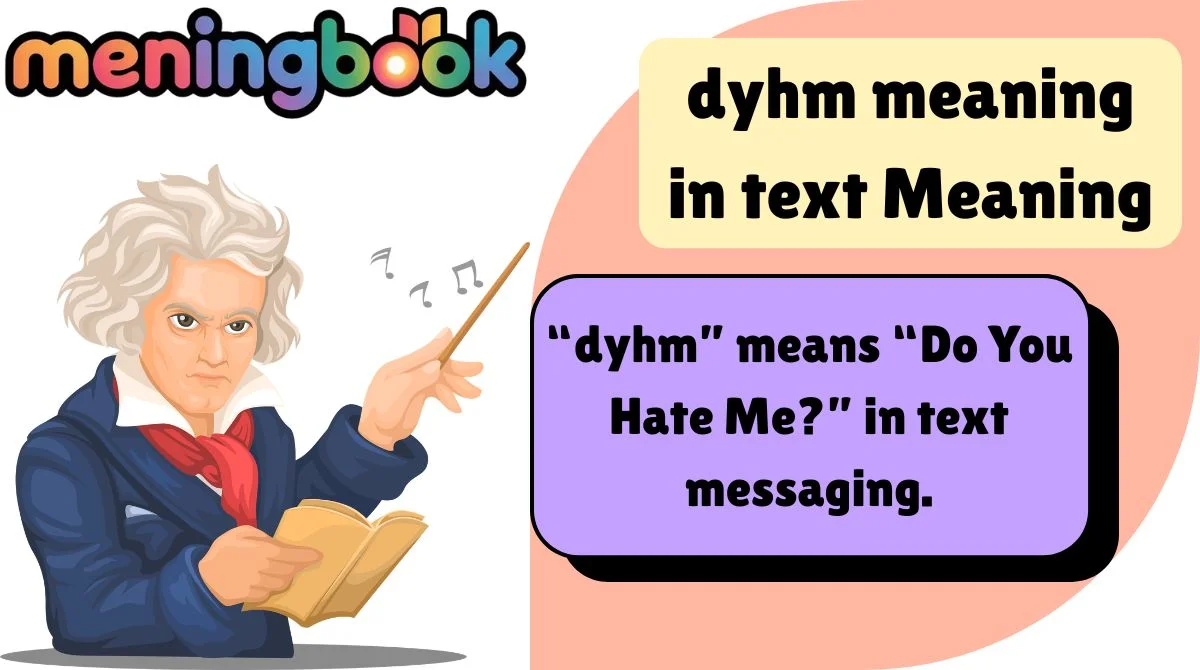
“dyhm” means “Do You Hate Me?” in text messaging.
It’s usually used in a light, joking, or slightly insecure tone to ask someone if they are upset or ignoring you. In some cases, it can also carry a playful or sarcastic meaning depending on context.
Detailed Meaning Breakdown
Primary Meaning
The main meaning of “dyhm” is:
“Do you hate me?”
It’s a quick, informal way to check someone’s feelings, especially when:
- They are replying slowly
- Their tone seems off
- There’s been a misunderstanding
It’s rarely meant literally. Most of the time, it’s playful or slightly dramatic.
Secondary Meanings
Depending on tone and situation, “dyhm” can also mean:
- “Are you mad at me?”
- “Why are you ignoring me?”
- “Did I do something wrong?”
These meanings are softer and more emotional than the literal phrase.
Rare Meanings
In rare cases, “dyhm” might be used sarcastically to exaggerate a situation, like:
- Overreacting for humor
- Mocking a dramatic situation
Example:
“You didn’t like my post… dyhm?? 😂”
What “dyhm” Means in Different Situations
Everyday Texting
In daily chats, “dyhm” is usually casual and playful. It’s often used between friends when someone feels ignored or wants attention.
Example:
“Bro you left me on read… dyhm?”
Tone: Light, joking, not serious.
Social Media Platforms
On platforms like chats or DMs, “dyhm” is used for humor and engagement. It may appear in comments or replies to tease someone.
Example:
“You didn’t reply to my story… dyhm 😭”
Tone: Dramatic but playful.
Dating & Relationships
Here, “dyhm” can carry more emotional weight. It might reflect insecurity, curiosity, or playful flirting.
Example:
“You’ve been quiet all day… dyhm?”
Tone depends on relationship:
- Early stage: Slight insecurity
- Established relationship: Playful check-in
Professional Communication
“dyhm” should not be used in professional settings. It is too informal and can be misunderstood.
Example (not recommended):
“Hey, you didn’t respond to my email… dyhm?”
Tone: Unprofessional and inappropriate.
Cultural or Regional Differences
“dyhm” is mostly used in English-speaking digital culture. In some regions:
- It may be unknown
- It may confuse older users
- It may be interpreted literally
Always consider your audience before using it.
Psychological & Tone Analysis
Why People Use It
People use “dyhm” because it:
- Saves time
- Adds humor
- Softens emotional questions
- Avoids sounding too serious
What It Signals Socially
Using “dyhm” can signal:
- Comfort with the other person
- Playfulness
- Mild insecurity
- Desire for reassurance
Emotional Layer Behind It
Even when used jokingly, it can hint at:
- Wanting attention
- Feeling ignored
- Testing emotional connection
The tone depends heavily on context and relationship.
15 Real Conversation Examples (Explained)
- “You didn’t text back all day… dyhm?”
→ Light concern mixed with humor. - “Wow you liked everyone’s post but mine… dyhm 😭”
→ Playful teasing. - “You’re so quiet today, dyhm?”
→ Checking emotional distance. - “You canceled plans again… dyhm?”
→ Slight frustration. - “You didn’t laugh at my joke… dyhm?”
→ Self-deprecating humor. - “Left on read again… dyhm??”
→ Attention-seeking but playful. - “You forgot my birthday… dyhm?”
→ Emotional but softened. - “You didn’t reply in 5 minutes… dyhm 😂”
→ Clearly joking. - “You’re being dry… dyhm?”
→ Calling out tone shift. - “You didn’t call me back… dyhm?”
→ Mild concern. - “You didn’t save me a seat… dyhm?”
→ Light teasing. - “You ignored my message in the group… dyhm?”
→ Social awareness. - “You stopped using emojis… dyhm?”
→ Noticing behavior change. - “You didn’t invite me… dyhm?”
→ Playful but slightly sensitive. - “You ghosted me for hours… dyhm?”
→ Semi-serious but softened.
When “dyhm” Can Be Misunderstood
Context Confusion
Without tone or emojis, “dyhm” can seem serious instead of playful.
Generational Gap
Older users may:
- Not understand the abbreviation
- Take it literally
Platform Differences
- On casual apps: playful
- On formal platforms: inappropriate
Context matters more than the word itself.
Similar Words, Symbols, or Abbreviations
- wyd – What are you doing?
- wydm – What do you mean?
- idk – I don’t know
- imo – In my opinion
- lmk – Let me know
- brb – Be right back
- smh – Shaking my head
- tbh – To be honest
- ngl – Not gonna lie
- wyd rn – What are you doing right now
These abbreviations help keep conversations short and fast.
When Not to Use “dyhm”
Professional Risks
Avoid using it in:
- Work emails
- Business chats
- Academic communication
It can appear immature.
Cultural Risks
Not everyone understands texting slang. Using it with unfamiliar audiences may cause confusion.
Tone Risks
If used in the wrong moment, it can:
- Sound insecure
- Feel passive-aggressive
- Create unnecessary tension
Expert Tips for Using “dyhm” Correctly
- Use it only with people you’re comfortable with
- Add emojis to clarify tone (😂, 😭)
- Avoid using it in serious conflicts
- Don’t overuse it—it can feel needy
- Match the tone of the conversation
- Use it playfully, not as a real accusation
- Know your audience before sending
- If unsure, use full sentences instead
Frequently Asked Questions
What does dyhm mean in texting?
It means “Do you hate me?” and is usually used jokingly or to check someone’s mood.
Is dyhm serious or joking?
Most of the time, it’s playful, but context can make it sound serious.
Can dyhm be used in relationships?
Yes, but tone matters. It can be playful or slightly emotional depending on context.
Is dyhm rude?
No, but it can feel passive-aggressive if used incorrectly.
Should I use dyhm in professional chats?
No, it’s too informal for professional communication.
Why do people say dyhm instead of typing full words?
It’s faster, casual, and fits modern texting culture.
Can dyhm show insecurity?
Yes, sometimes it reflects a need for reassurance.
How do I reply to dyhm?
Respond based on tone. Reassure if serious, joke back if playful.
Conclusion
“dyhm” is a simple but emotionally layered abbreviation that means “Do you hate me?” In most cases, it’s used playfully to grab attention, tease someone, or check their mood without sounding too serious.
The key to using it correctly is understanding tone and context. Between friends, it can be funny and harmless.
In relationships, it can carry deeper meaning. In professional settings, it should be avoided entirely.
If you use “dyhm,” keep it light, add context when needed, and make sure the other person understands your intent.
When used well, it adds personality and humor to conversations. When misused, it can create confusion.
Communicate clearly, read the situation, and you’ll never misuse it.

I am Noah Peterson, an educational content writer passionate about simplifying complex topics into clear and practical learning